
Pictures and content are subjected to copyright protection
The Educational Gallery acts as a resource library to learn from. It includes Photos, Videos, and Publications, and it is an accumulation of content either provided by Mark Carlson or by others. The photographic content features various landscape lighting designers that Mark believes are worthy of display for the particular concept. These photos were shared under the condition that this is for educational use.
NO PHOTOS ARE TO BE USED OUTSIDE OF THIS EDUCATIONAL SITE WITHOUT THE APPROVAL OF THEIR OWNER. Videos are for public use. The Publications written by Mark Carlson are for public and professional use.
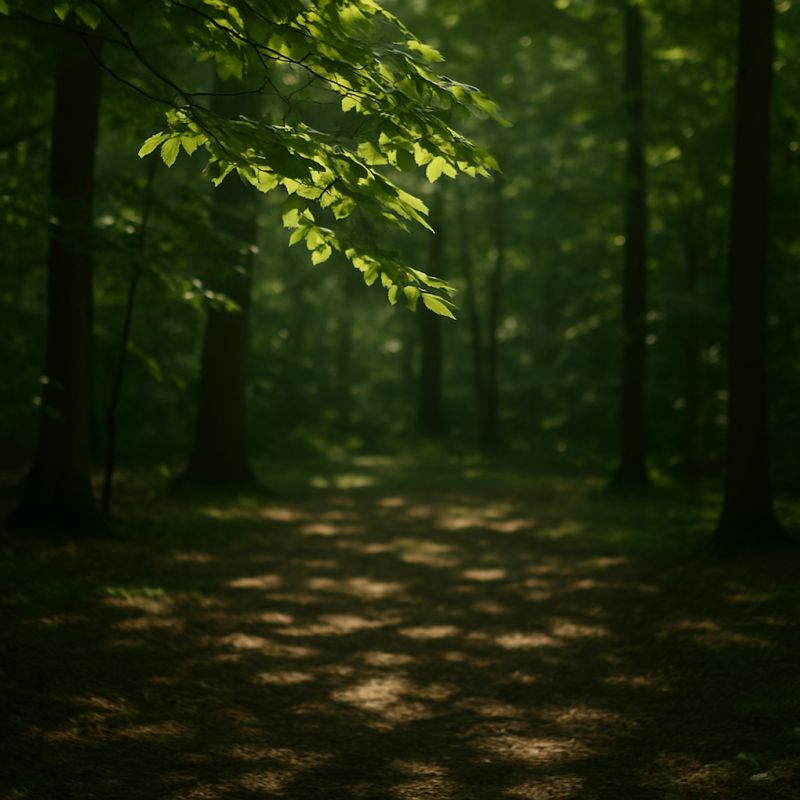
The Photos Section is the best area for learning more about the visual art form—Landscape Lighting. There are subtle qualities about the photos you are viewing, and our ability to provide them is what sets individual Lighting Designers apart. The lighting levels displayed, as well as the applied lighting applications for the scene make this the difference. There is no exact formula to measure “light” and “shadow” as this is a skill found in ‘Affect’ (the experience of feeling).
To utilize this as a study or training tool, one must commit to this study. In other words, do not rapidly review photos and move on. It takes time to observe and “see” these differences displayed. As one views a specific Category Type, evaluate all of the photos and consider similarities and differences. Ask yourself questions…What is the ratio of light as compared to shadow? How many lights and what type of lights are used to provide the look of the scene? How does the space “feel” to you? There are many questions to ask but be thorough to better understand what you are seeing.
The Photo Section includes photographic work that meets the requirements of the associated Category Type. Each photo effectively portrays the use of lighting within these scenes. All images have been selected as a means to educate or guide newer Landscape Lighting Designers in understanding how ‘good’ lighting applications should look.
Each Category identifies the most common elements within these landscape settings. ELLI has identified distinct Categories to help the Landscape Lighting profession segregate photographic scenes by types, as one might find them displayed in Awards programs. ELLI has established a set of criteria that provide parameters for these photo submissions.
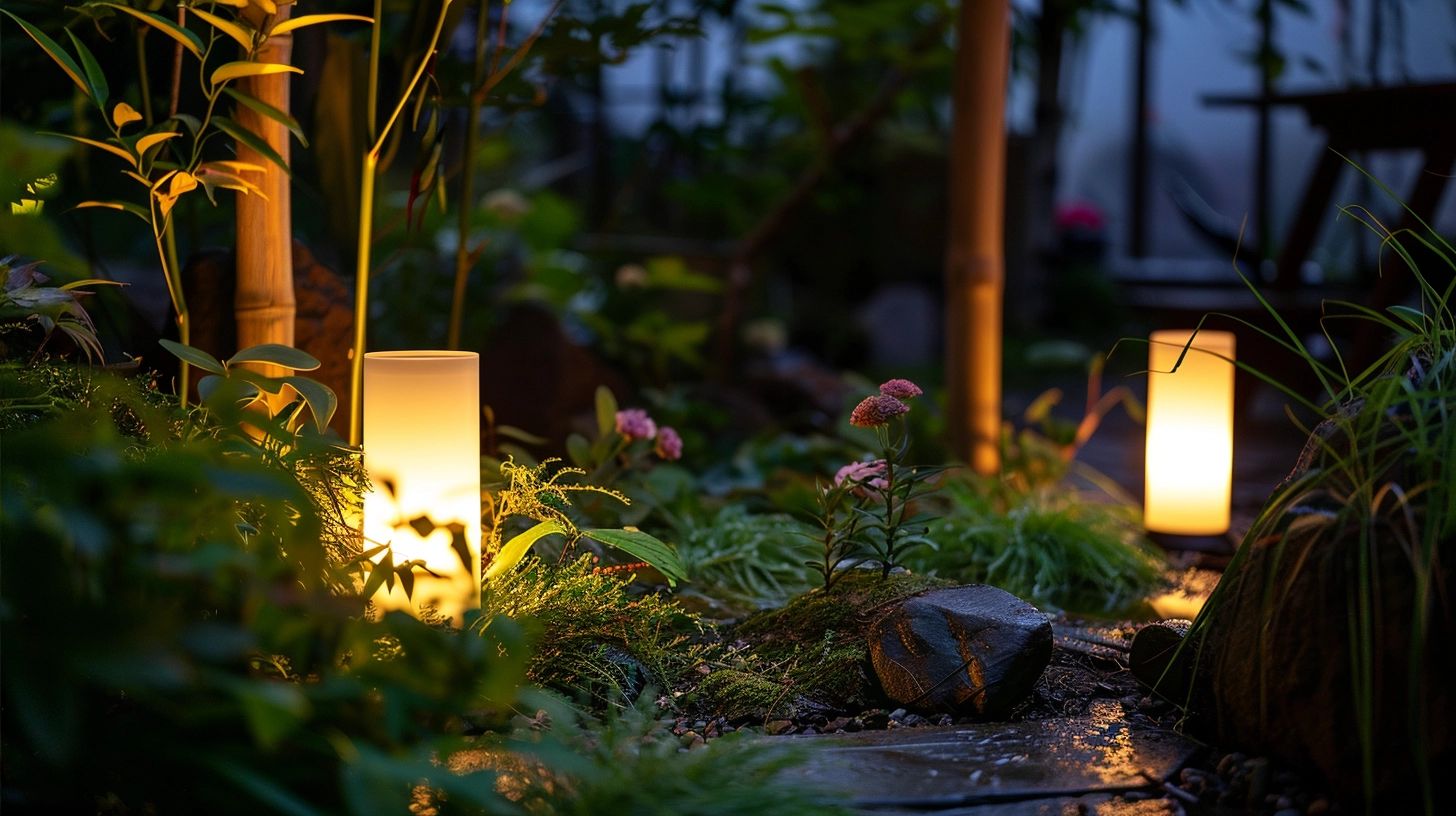
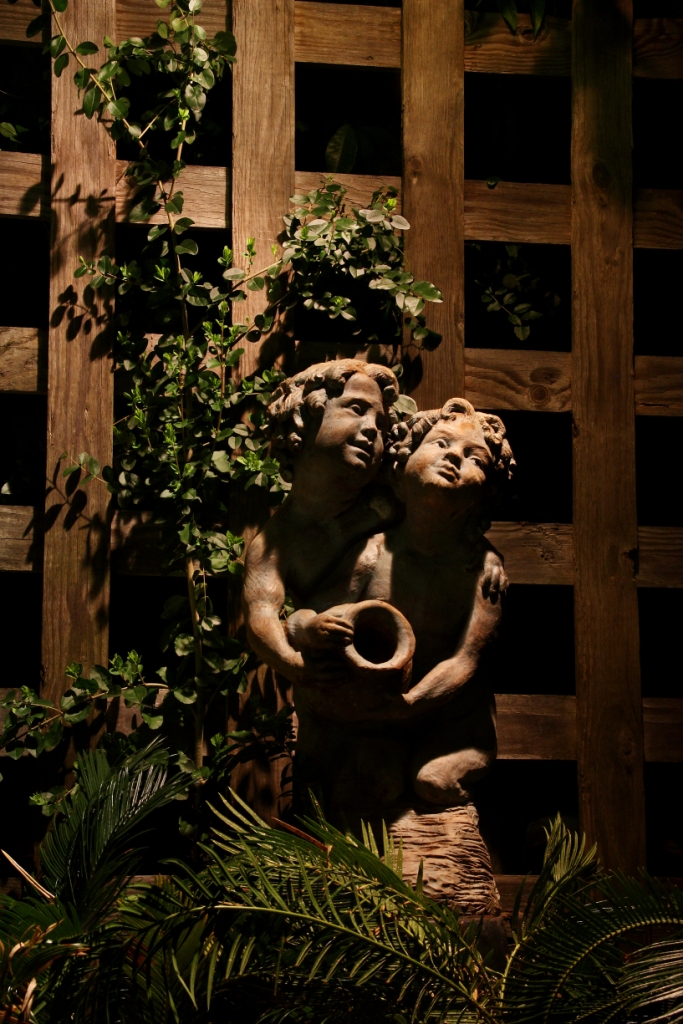
There are two (2) primary Categories within this format—1) Landscape Lighting Design, and 2) Affective Lighting Design. The differences identified in Affective Lighting Design are related to the emotional value of these spaces. This is a much deeper understanding and application of light, as it applies to human psychology, and it is much more challenging to provide for. Typically, only highly skilled Designers can perform at this level. Lastly, this category (Affective Lighting Design) is a new creation not yet used in the Landscape Lighting profession.
For added learning, ELLI has provided photographic examples that aren’t established by categories. They are listed as Interest Applications and Interior Views. Each grouping is important to the Lighting Designer because they show interesting perspectives or applications that are commonly used in this work.
This main category includes all the traditional elements of landscape lighting. ELLI further breaks down this category into six (6) sub-categories, as each identifies the primary ‘emphasis’ of the photo scene:
This primary category includes all landscape lighting designs that stimulate a positive, emotional response. There are a variety of human emotions, but ELLI has identified the primary types that are listed as ‘Contacting Emotions’ or ‘Knowledge Emotions.’ Of these, 5 sub-categories were created based on the most dominant emotion experienced. The photographs displayed in each sub-category best represent the primary emotion type:
This section includes educational videos that can aid the landscape lighting designer in both thought and skill. Most of these videos are presented as a seminar or interview.
These topics are discussed either in groups or a one-on-one meeting and address history, backgrounds, techniques & applications, industry problems, and the future of our professions.
These topics include the impact that light has on human health.
These topics include the principles, techniques, and tips that can benefit the lighting designer in their work. They also discuss the importance of composition, as well as the need for good photography.
These topics include the nature of light, shadow, and darkness as it applies to design. They also discuss how important it is to understand the balance between light and dark.
These topics include the various physical materials used in construction or nature, and how they are affected by light. They include understanding the characteristics of each material and how the designer should work with them.
These topics include drawing techniques, sketching, plan presentations, and architectural versus landscape architectural content. They also include tips to encourage time management, proficiency, and the steps involved in the design process.
This section includes various publications and documents related to the profession of landscape lighting design. It also includes those associated with human health, affect, and the benefits light has. This section will act as a library, although it will take time to develop. There will be three (3) categories of content—Guides & Standards, Articles, and Books.