
Pictures and content are subjected to copyright protection
ELLI is an educational resource that caters specifically to the ‘Design’ component of Landscape Lighting. There is a great need for good information, solid education, and both the artistic and technical aspects of this trade practice. The lighting design component of this profession has been greatly lacking for many years, due to the prioritization of installation practices and the technology that is driving this industry.
The importance of ELLI is that it provides both education and training to properly teach ‘good’ Landscape Lighting Design. The other entities available to this profession only teach limited aspects to this craft. ELLI provides comprehensive training. In fact, it’s the only entity to effectively teach compositional principles in a detailed manner.

The Landscape Lighting profession must find a way to identify “Why” and “How” it is an art form. We need to be seriously concerned about the existing pool of service providers performing this work, as the majority lack professional knowledge and skill proficiency. ELLI is the answer to this problematic need.
ELLI teaches two (2) necessary abilities that positively aid in one’s professional advancement: 1) Awareness, and 2) Discernment. These skills and/or abilities are crucial in evaluating space, as a Designer must be able to see and understand all that is within a space, as well as be able to determine how to apply light and shadow to it. The Lighting Designer must be able to determine the following:
Each of these questions helps to define the ‘Intent’ of the Space or Design. Lighting applications and illumination levels cannot be properly utilized until this is known. This is not taught by most programs.
Lastly, I would like to share a quote by the internationally recognized landscape architect, Mr. Laurie Olin. This is an important observation and consideration for all, about being recognized or relevant on your work. He states: “If the majority of work is Ordinary, then the Extraordinary will be recognized.” Therefore, how does one become relevant? ELLI provides that path for Landscape Lighting Designers.

ELLI is committed to providing a Human-Centric approach to Landscape Lighting Design. Our training puts people first and at the center of a design solution. This is a ‘Qualitative’ approach to design, which hasn’t been the focus of many lighting practitioners. If the human experience is the priority, then we can gain positive and enjoyable outcomes.

ELLI has created an educational library and training program that allows Lighting Designers to effectively advance within this craft. The training program is broken down into two distinct levels—Foundational and Advanced. ELLI also offers certification for those truly seeking relevance in the profession. A stepped approach is taught to ensure the proper sequence of learning, in the form of building blocks. Currently, it is the only organized training program available.
Mark Carlson believes that the ‘Designer’ role is the most crucial part of a successful lighting design. The ‘Design Intent’ is the vision of the designer that is based on his/her experience level. Therefore, if you do not have the appropriate experience, then how can you expect to have the best design offerings?
Mark Carlson is one of the very few who is offering Hope for the next generation of Landscape Lighting Designers. Unfortunately, the majority of those with professional experience are too caught up in the businesses they operate. Most push this consideration off until it’s too late. Realistically, this need will go unfulfilled, and the next generation is left only to recycle old practices. It is for this reason that ELLI will support this need.
This Hope comes in the form of a new way of understanding the Landscape Lighting Designer’s benefit and value. Mark is a visionary of sorts, and he has advanced this art form beyond the basic needs still considered today; aesthetics, safety, and security. Instead, he has incorporated the importance of psychology into landscape lighting applications, which provides for the experience. This approach to understanding lighting design provides a “value” that is much more meaningful. It’s a “value” in one’s health and well-being.
Another way that Hope can benefit the next generation is by providing a means to identify our “relevance” in society. Relevance equates to professional “respect,” and it must be justified. To be “justified,” we must show our value to the consumer. Our “value” comes in the form of providing for positive Well-Being and effectiveness in Human Health. Therefore, this “value” is justified to be paid for. In other words, we can justify an equal pay to that of a professional (doctor, attorney, architect, engineer, etc.). Herein lies the Hope of the next generation.

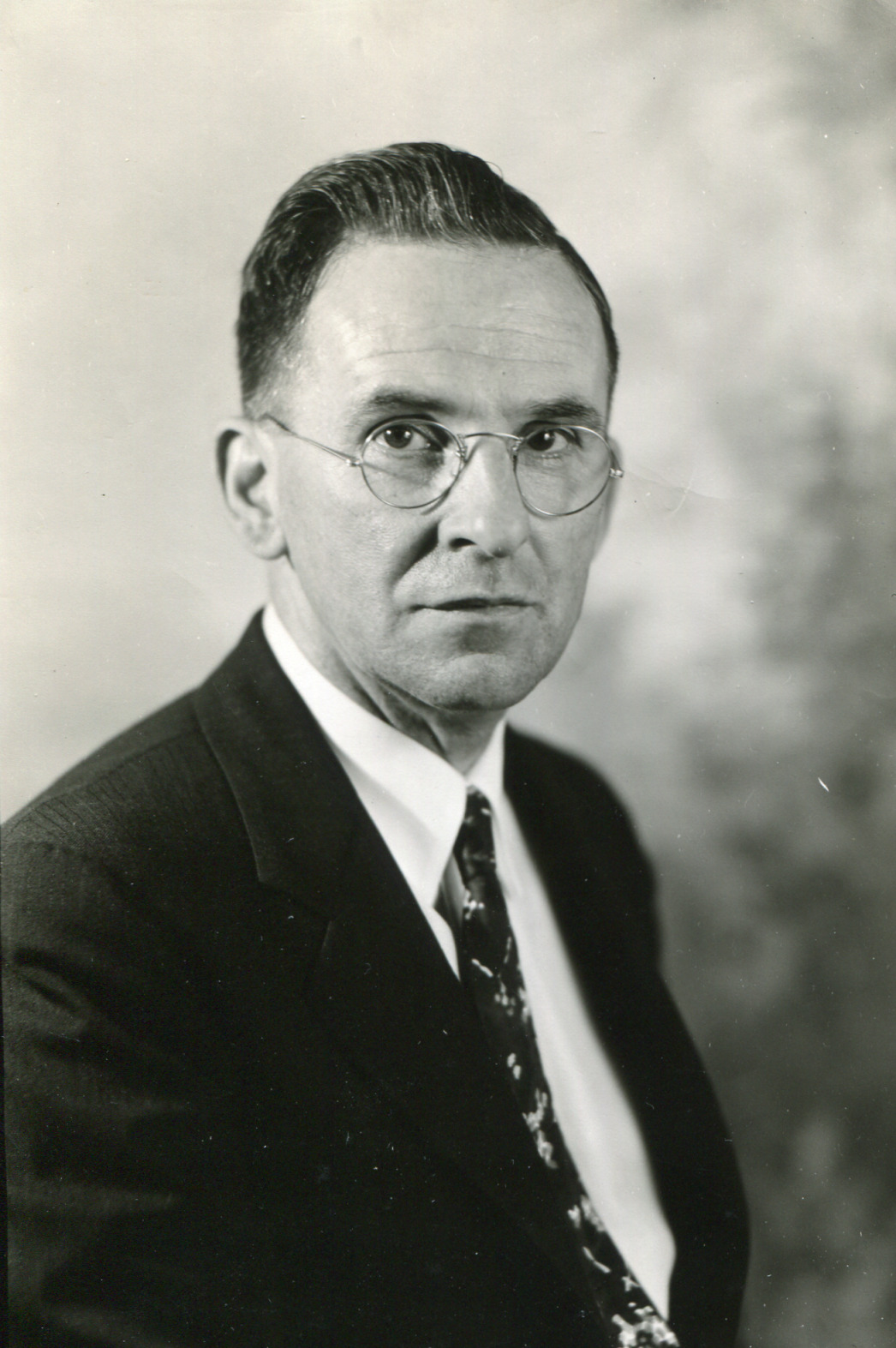
The Landscape Lighting profession was first established in 1934 by Frank B. Nightingale, and his vision was to establish it as an art form and discipline. His teachings were all about understanding the craft as a positive and powerful, human “experience”. He utilized light and sound within natural garden spaces, and he concealed these elements to provide an emotional impact on people. Everything was coordinated and choreographed to engage in these experiences.
Unfortunately, much of what Nightingale provided as an art form has been lost. This is stated this way because he exhibited a distinct passion and commitment to “how” he provided these experiences; this is what has been lost. Most of the courses or classes taught today do not teach who Nightingale was, nor do they teach how to evoke this level of emotion. Most don’t even know who he is/was—that’s a shame.
ELLI is the only entity available to today’s market that has developed a dedicated Landscape Lighting Design, class curriculum to educate landscape lighting designers. The primary reason it should be considered an art form is because it falls under the classification of a Visual Art. Therefore, it should follow or be governed by the principles of Composition; the same ones used in Art. Without this basic understanding of composition, one will likely perform at a poor to mediocre level, at best.
There are several things that have hurt the Landscape Lighting profession over the past decades, but the biggest problem has been in its messaging to the public. This messaging equates to consumer understanding. Currently, we have no message. The consumer is clueless as to what ‘good’ and proper lighting is. The following reasons apply:

Due to these above listed problems, the consumer…the trade…and the lighting industry have all failed to understand “Why” humans “Need” good lighting in our lives. This need goes well beyond aesthetics (something that looks nice) and function (simplicity by technological advancements). It has to do with how lighting can better the Well-Being of our lives. It would make good sense for us to promote:
If we consider the consumer as the least understood in this puzzle, then our message needs to make sense to them. It serves the lighting industry no good to provide technical terms that only tradespeople and professionals know. The message must be simple. Human Well-Being and Health are easy concepts to understand.
Copyright © 2026 "EXPERIENTIAL LANDSCAPE LIGHTING INITIATIVE". All Rights Reserved. Powered by CreatemyDesigns