
Pictures and content are subjected to copyright protection
There are many factors that impact Human Health. Most people consider the recognizable elements, such as food, drinks, medicines, skin treatments, etc., to be of concern when it comes to our health. But Light is something most overlooked or even understood. The same goes for Nature and our surrounding environment.

Scientists and medical doctors have been studying both Light and Nature independently, but not so much together, as a combined application towards providing positive health benefits. Mark Carlson has been researching various studies on this subject matter and has made it his quest to be part of the solution in proving this positive relationship with human Well-Being.
The Landscape Lighting profession, as well as the Lighting Industry, can all benefit from better understanding these relationships of Light, Nature, and Human Health. ELLI intends to help perform studies that identify ‘good’ lighting applications that positively affect human emotions within illuminated, exterior landscaped spaces. To date, this has never been a focused effort. The goal is to identify therapeutic measures that can benefit humans with stress-related illnesses, including anxiety, depression, and mental fatigue.
ELLI intends to use the “Betterment in Human Health” statement as the message of “Why” lighting design is so important. The sooner that we can get Lighting Designers, as well as consumers to understand this importance, the sooner we can provide a positive impact to society. This concept allows for the Human-Centric approach, and it takes the focus off of technology and business.
The human benefits come in the form of understanding the importance of light, as it applies to life, and in the form of professional advancement for our trade profession. Each is needed if we are all to benefit from this directive. ELLI will do its part by providing effective education and training, as it continues to ‘Educate and Separate’ Landscape Lighting Designers by the means of proficiency. The lighting industry and the consumer market must be able to differentiate between ‘good’ and ‘bad’ service providers.
Landscape Lighting Designers who can provide ‘good’ lighting design solutions are essentially providing for ‘good’ Well-Being. This translates to Health because we are able to create positive environments that helps in healing human ailments. Please see the next section on ‘Well-Being’.

Landscape Lighting Designers need to approach their clients as a doctor would. In other words, if we treat the client as a patient, then we can better understand and diagnose the problems that exist. If the Lighting Designer begins to understand the client’s lifestyle, activities, working conditions, family dynamics, etc., then they can best provide solutions for their needs.
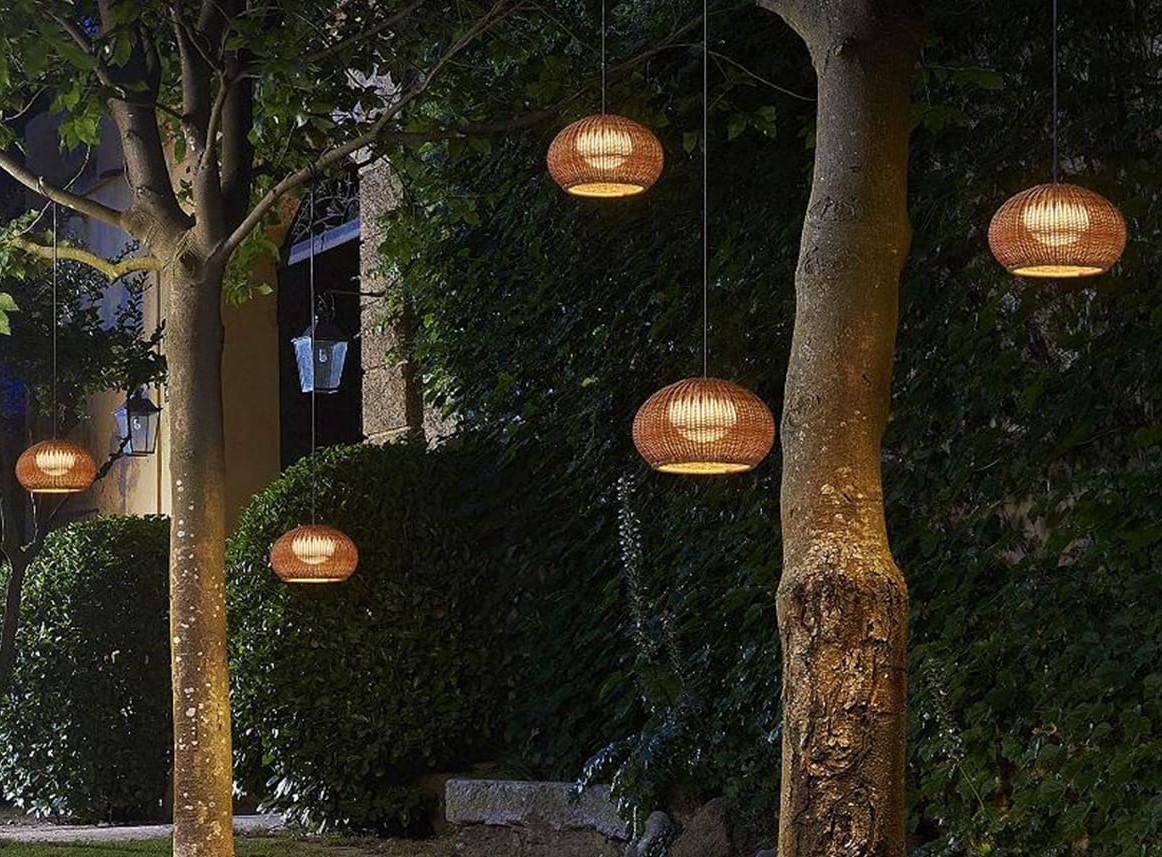
For example, if the client has a lot of stress in their life, then we need to design spaces that provide “calm.” If they are looking to be more socially involved with people, then we should design our lighting systems that provide “joyful” experiences. Once the Lighting Designer can identify the need, they can begin to design a space that best benefits them (to counter the ailment). We must remember that lighting impacts us in a psychological manner (subconsciously), and this is where mood and atmosphere apply.
There are three (3) Psychological States or experiences that one can provide for positive experiences. They are as follows:
Relief is provided in the form of Relaxation, Peace, and Calm. The human body must counter stress to remain healthy and balanced. This is considered the Rejuvenation process. Joy can be another form of Relief, as it too, has the ability to relieve stress. Thought-Provocation provides Relief because it allows a person time to think. Thinking and working through stressful problems can be a means to diminish it.
An experienced Landscape Lighting Designer should have the ability to provide the proper atmosphere (mood), as well as the appropriate lighting levels to evoke a primary emotion. As mentioned before, there are many Emotions, so our skill proficiency is defined by our ability to provoke those desired by our client needs. This is our greatest challenge.
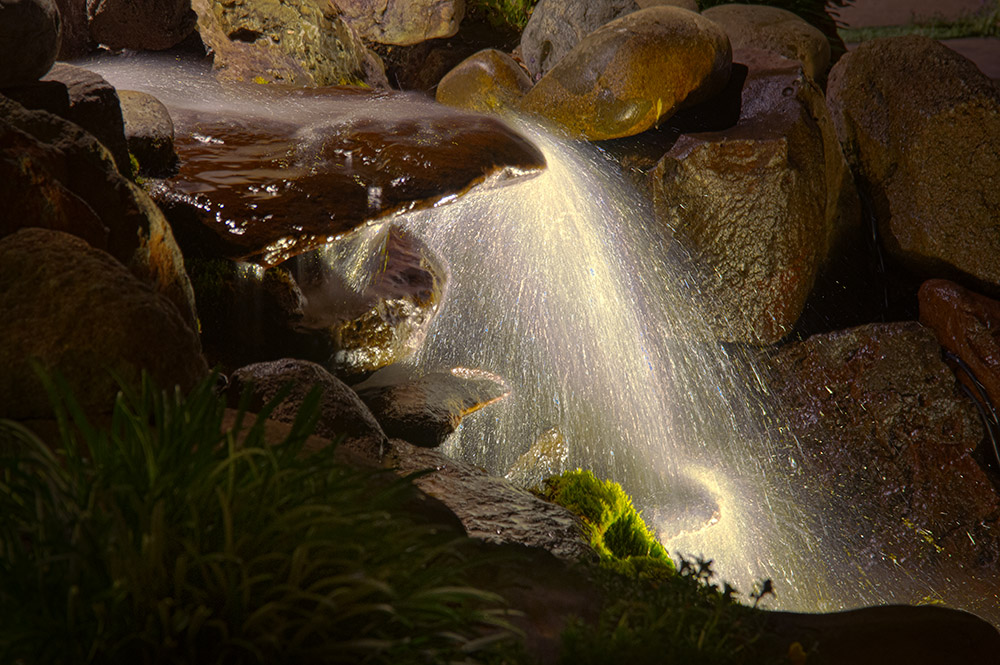

The following are examples of the possible Human Health and Well-Being benefits derived from ‘good’ and ‘proficient’ landscape lighting design:
As can be seen, if there is improved response rates or activities in these areas of ailment, then this can be a huge benefit to society. ELLI encourages this line of thought and study.