Pictures and content are subjected to copyright protection
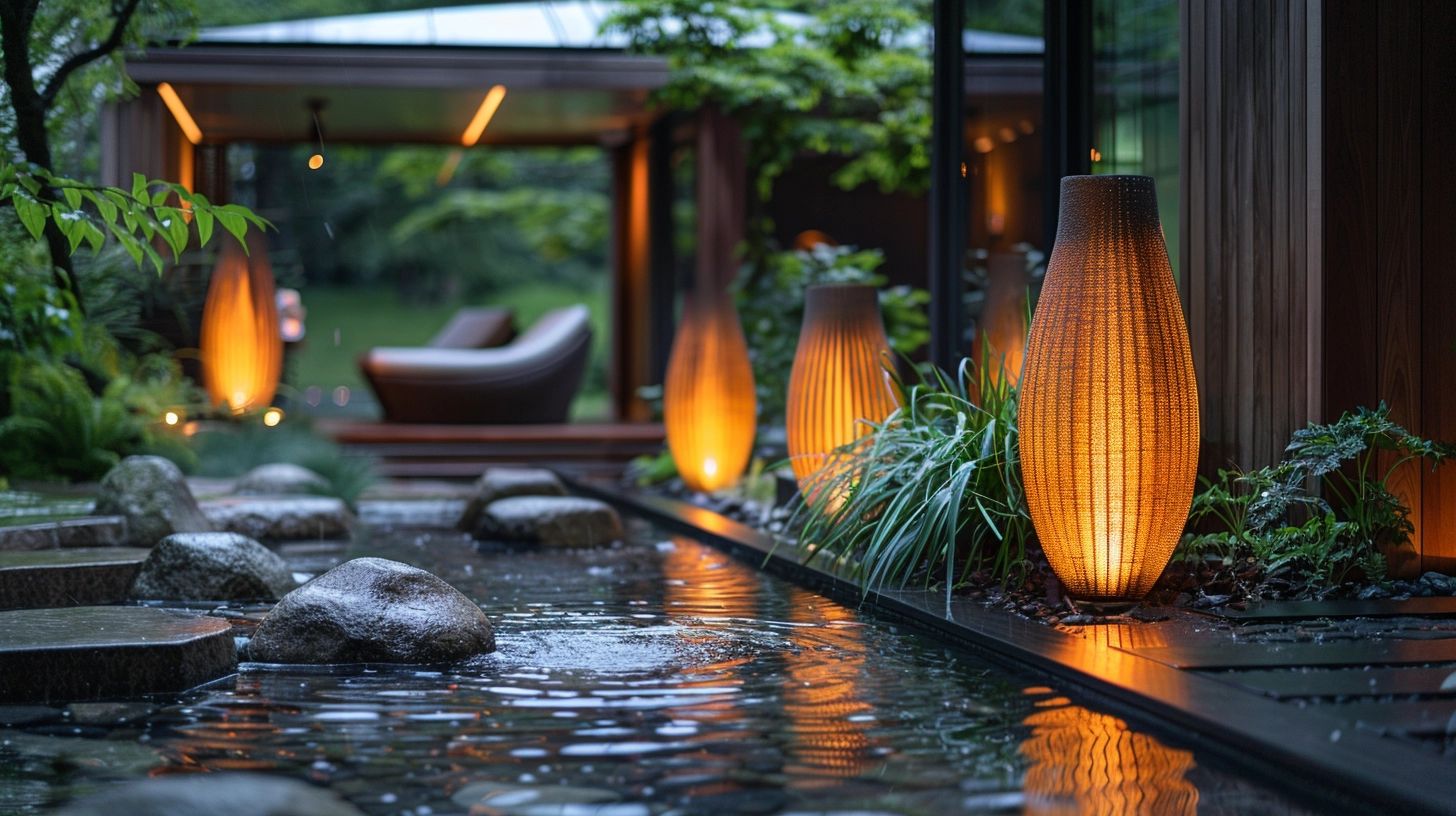
Light is a necessary and critical element of Art, Architecture, and Space. How can one perceive space without it? Shadow is equally important and together they allow for humans to maneuver through a space. Emotion is the way in which we respond to what we see, hear, smell, and feel within our surroundings. Psychologically, we are motivated to act based on what we see (in the case of our profession).
For several decades, the Landscape Lighting profession has not picked up on the fact that Emotion plays a much bigger part to humans. Unfortunately, most people consider it as nothing more than the excitement of when the lights go on and off, or when something looks aesthetically pleasing. Emotion covers a broad base of feelings, and each is distinct enough to describe. Light and Shadow have a great impact on this.
As Lighting Designers, we have the opportunity to better explore how to affect or evoke one’s Emotions. By doing so and by mastering the ability to provoke a specific Emotion, we can become excellent artisans within this craft. By doing so, we can provide for two (2) important human needs:
Emotion is a powerful tool that the Landscape Lighting Designer has to work with. If we can develop landscapes that positively stimulate a specific emotion, then we can ensure that these experiences are remembered. These “experiences” are what we need to strive for because they are desired (they feel good) and it will cause people to want to re-experience them. Physiologically, these positive experiences cause biochemical reactions that provide for our Well-Being, and this is why they are a benefit to humans. See Human Health page.


The word, ‘Affect’ is one that is not normally used in the Landscape Lighting profession. It means “the Experience of Feeling”, and it is associated to the space we are in. As lighting designers, Light stimulates and arouses life. ‘Arousal’ is a physiological response closely linked to Emotion.
Arousal is characterized in two (2) ways:
Humans make decisions based on our environments and what we are exposed to. Being that sight is our primary sense; we must make decisions based on what we see or perceive. Our brain must decipher this input, as stimuli, and make a rapid response (decision) of how to react. Is the Arousal strong or weak, and is it positive or negative? All of this is determined in a split second, and it will trigger the appropriate emotional response.
Essentially, our Emotions drive one of three (3) Response Types that we can take: 1) to Approach, 2) to Avoid/Retreat, or 3) to Pause to question the space. Our choices are all based on our condition of safety.
‘Affective Lighting Design’ is a term that Mark Carlson has chosen for the Landscape Lighting profession to use. It has been established for those Landscape Lighting Designers who can provoke a positive, emotional response through the illumination of an outdoor garden space.
In honor of Frank B. Nightingale (father or garden lighting), Mark wanted to continue what Frank initially began with his passion for the illuminated experiences. Not only did Mr. Nightingale provide for the art form, but he established it as a well-defined discipline.
It is for this reason that Mark created ELLI—to serve in re-establishing this art form as a discipline. As mentioned earlier, Design has been put at the bottom of the pile when it comes to professional development. However, this is no longer the case since ELLI’s inception. Mark has created an Advanced Level training program that uses this new term, Affective Lighting Design. He believes this is the future of our profession.
Outside of ELLI’s educational classes, there are no other direct paths to learning or advancing Landscape Lighting Design skills. This is the only form of “higher education” for this professional practice.